Search

    Clubs & Groups

    Distillers’ Car Trip to the Normandy Beaches

    Dan Szor, The Master

    From 21 to 25 September 2026 the Distillers’ Car Club followed the D-Day landings through Normandy, from Caen and Pegasus Bridge to Omaha Beach.

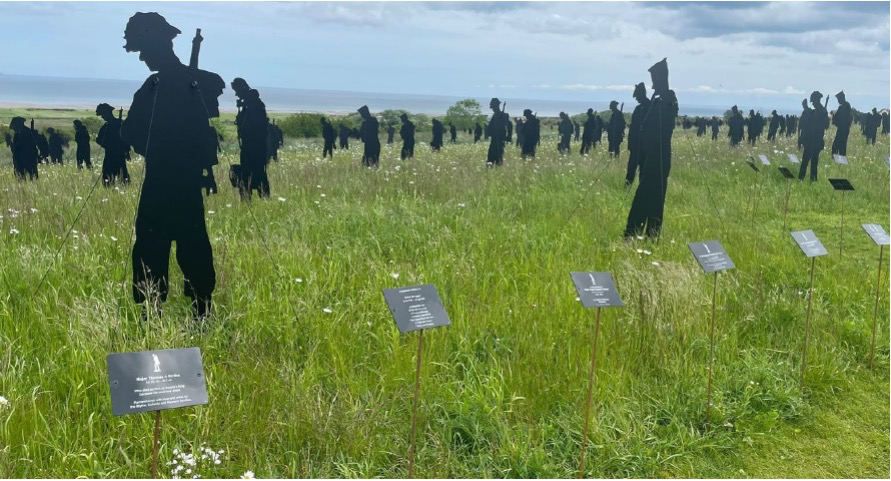
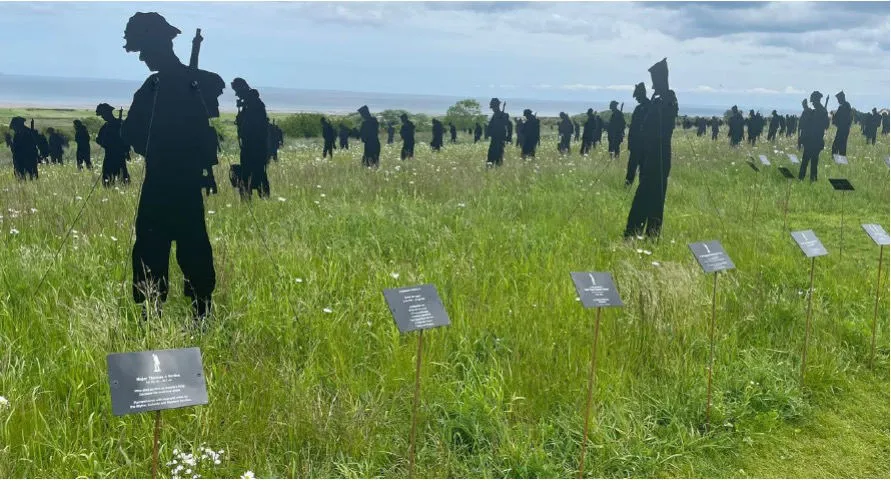
    Silhouettes of soldiers and nurses standing in a meadow at the Standing with Giants installation, with name plaques in the grass

    Share this story

    Send a link or share to social media.

    Our journey through Normandy was much more than a tour of historic sites. Across five days of glorious sunshine, beautiful countryside, excellent food and, above all, wonderful company, we followed the path of the D-Day landings and were repeatedly reminded of the extraordinary courage and sacrifice of those very young men and women who came before us, many in their early 20s.

    It all began in Caen, where we gathered from various locations. Some arrived on the ferry from Portsmouth, others via the tunnel, but once assembled there was, naturally, only one way for any self-respecting group of Distillers to begin: with a drink! Dinner at Monsieur Louis gave us an excellent start to the adventure and a chance to look ahead to the days that followed.
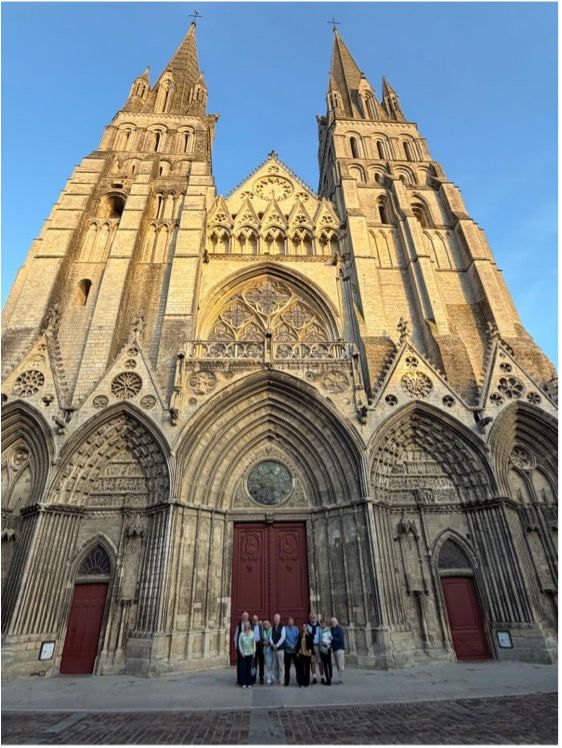
    Members of the Distillers’ Car Club standing in front of the west front of Bayeux Cathedral
    Bayeux Cathedral

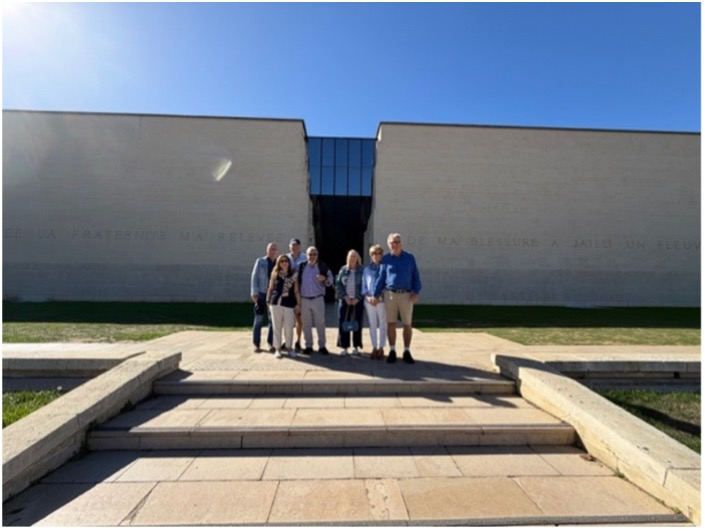
    The following morning, we visited the Mémorial de Caen. The museum provided a compelling introduction to the events that led to the Second World War, the D-Day landings and their aftermath. Having the opportunity to understand the wider story made the places we were about to visit even more powerful.

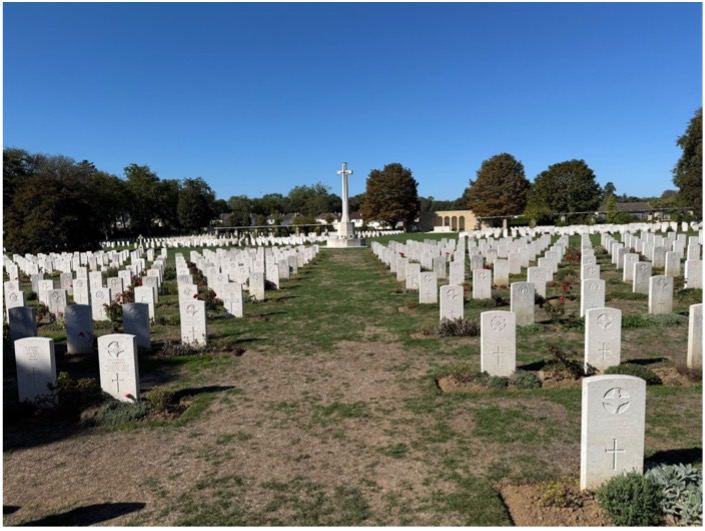
    At Ranville cemetery, that history suddenly became personal. The beautifully maintained graves of Commonwealth servicemen stand alongside those of German soldiers. Each grave represents an individual life, a family and a story, and the sheer scale of the cemetery brought home the human cost of the conflict.

    The group on the steps of the Mémorial de Caen
    Rows of Commonwealth headstones at Ranville War Cemetery, with the Cross of Sacrifice beyond
    Mémorial de Caen and Ranville Cemetery

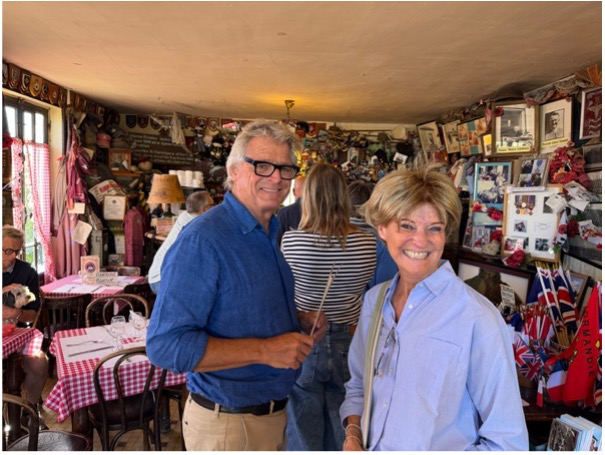
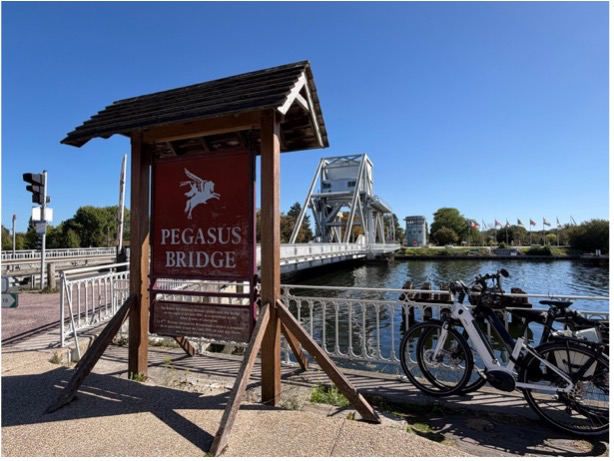
    Then onto Pegasus Bridge, the famous crossing where British airborne forces fought to secure one of the vital objectives of D-Day. Lunch was particularly poignant at the historic Café Gondrée which provided an opportunity to reflect on the extraordinary events that had taken place around us over 80 years ago.

    Two members of the party inside Café Gondrée, among flags, photographs and memorabilia
    The Pegasus Bridge sign beside the canal, with the bridge and bicycles beyond
    Café Gondrée and Pegasus Bridge

    Later, at Merville Battery, the story of the British airborne assault was brought vividly to life. The courage of the men involved, facing heavily defended positions and plans that did not always unfold as intended, was impossible to ignore. Audiovisual displays, interviews and the atmosphere of the gun emplacements helped convey the risks those young men willingly faced.

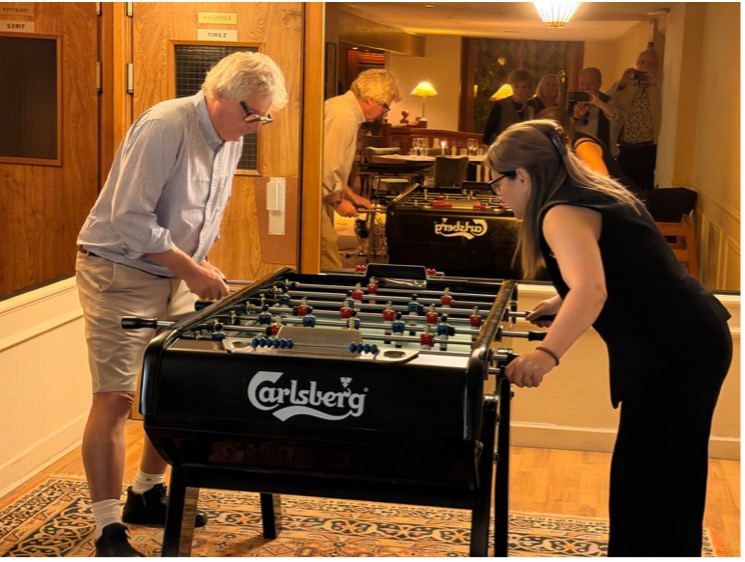
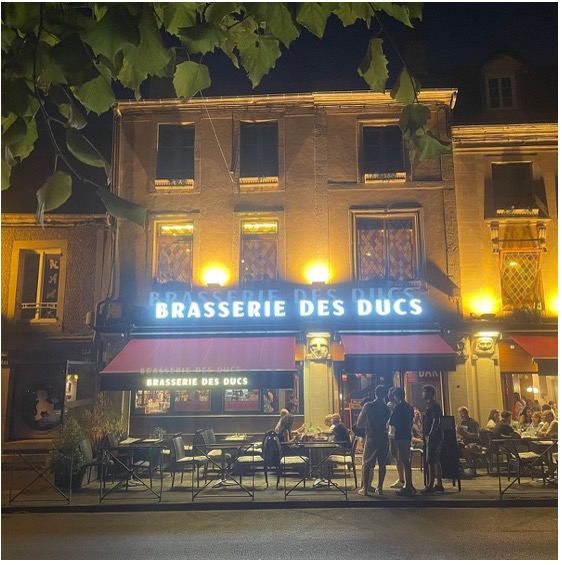
    Bayeux then provided a rather different kind of evening. After dinner at the Brasserie des Ducs came a fiercely contested table-football match between the Mistress and the Immediate Past Master. After several hard-fought rounds, the IPM prevailed 10–9. Even in Normandy, there was apparently room for a little competitive spirit of a less historic kind.

    The Mistress and the Immediate Past Master playing table football
    The Brasserie des Ducs lit up at night, with diners at tables outside
    Match of the day at the Brasserie des Ducs

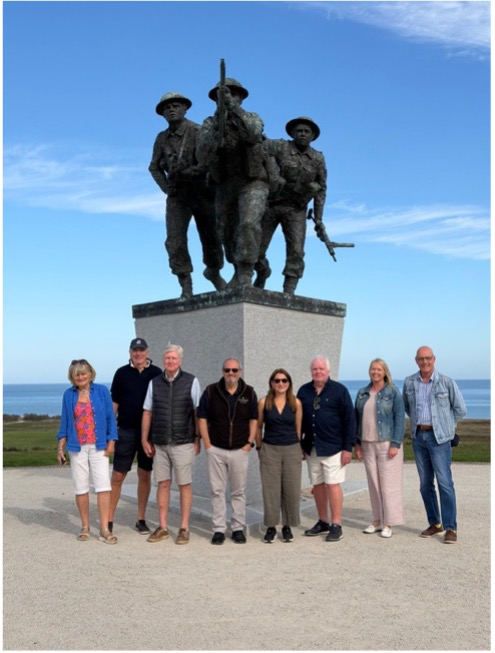
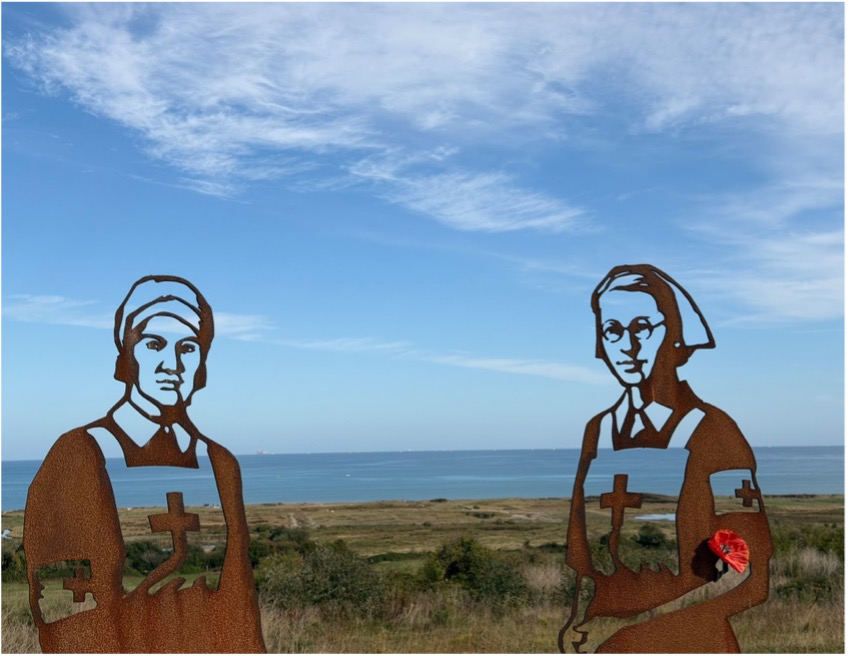
    The next day brought perhaps the most memorable part of the trip. At the British Normandy Memorial at Ver-sur-Mer, overlooking Gold Beach. Its striking architecture, beautiful setting with the names of those who died serving under British command during the Normandy campaign combined to create a place of extraordinary dignity. The dark silhouettes of soldiers standing in the field brought home the magnitude of the battle created by the charity Standing with Giants. Against the blue sky, the beach and the open landscape, these figures gave an almost physical presence to the lives being remembered. The commemorative plaques added further personal connections. It was somewhere to pause, read and reflect. It was one of those profound moments when the past feels remarkably close.

    The group beneath the bronze sculpture of three soldiers at the British Normandy Memorial
    The British Normandy Memorial
    Steel silhouettes of two nurses from Standing with Giants, overlooking the sea
    Silhouettes of soldiers and nurses standing in a meadow at the Standing with Giants installation, with name plaques in the grass
    Standing with Giants

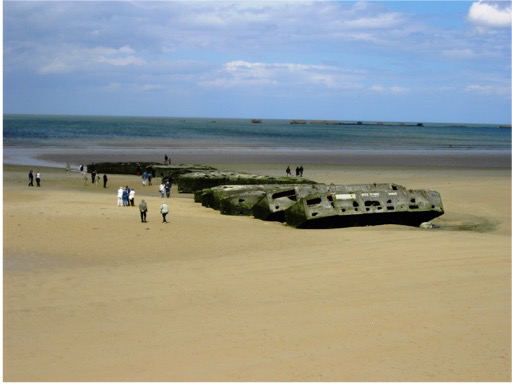
    The Arromanches, the 360-degree cinema brought the landings and their aftermath vividly to life, while the remains of the Mulberry harbour offshore provided a reminder of the extraordinary engineering and determination behind the operation. Over a delicious lunch at La Marine, looking across the beautiful coastline, it was difficult not to reflect on the contrast between the peaceful Normandy we were enjoying and the extraordinary violence that had taken place here.

    Concrete remains of the Mulberry harbour on the sand at Arromanches, with people walking beside them
    Remains of the Mulberry harbour

    At Longues-sur-Mer, the imposing German gun emplacements offered another perspective on the scale of the defences faced by the Allied forces. By now, the courage required to land on these beaches and advance inland seemed increasingly difficult to comprehend.

    Our final full day took us to Pointe du Hoc. Standing among the enormous bomb craters and looking down from the cliffs towards the sea, it was impossible not to think about the US Rangers who scaled those cliffs under fire. The landscape was beautiful; the events that took place there were anything but.

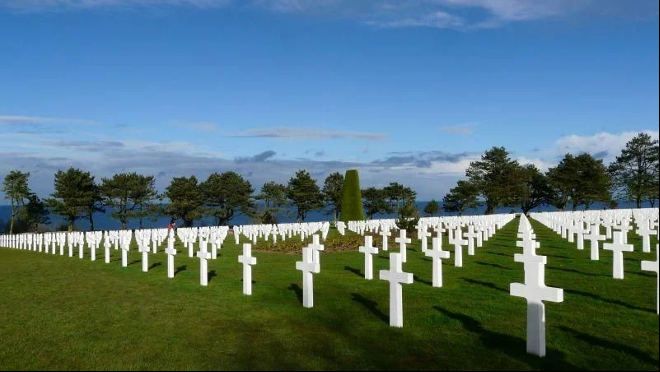
    The Normandy American Cemetery overlooking Omaha Beach, the scale of the sacrifice became overwhelming. Row upon row of white grave markers stood with extraordinary precision across the immaculate green lawns. Beyond them lay the beach and sea. The stillness of the cemetery contrasted starkly with the chaos and violence experienced by those whose names are recorded there. Thousands of young lives ended far from home. It was an unforgettable sight and one that will remain with us for many years.

    Rows of white crosses at the Normandy American Cemetery, with the sea beyond the trees
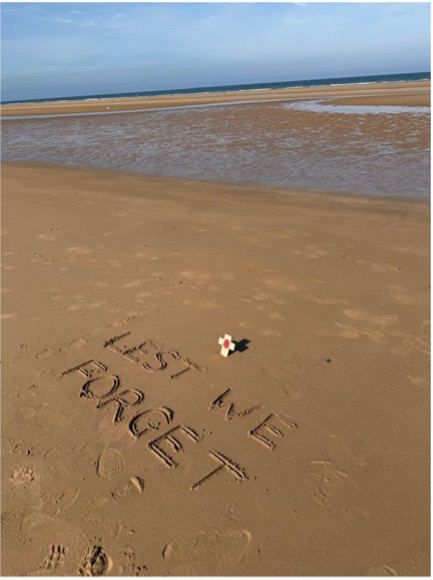
    The words Lest we forget written in the sand at Omaha Beach, with a small cross and poppy
    The Normandy American Cemetery and Omaha Beach

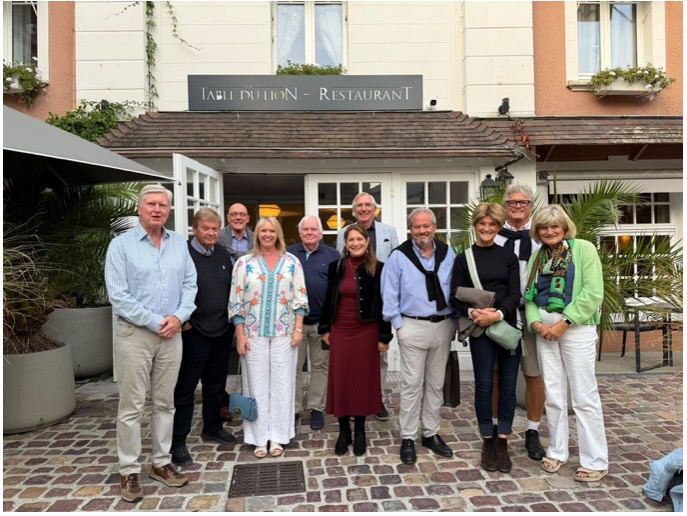
    Our visit to Normandy was never solely about remembrance. There was also the fellowship that makes travelling with the Distillers such a pleasure. We shared good food, wonderful wines, sunshine, laughter and countless conversations. Our final dinner at Le Lion d’Or provided the opportunity to raise a grateful glass to Paul Finch for his organisation, Andrew Cox for his inspired choice of restaurants and Steve Wilson for his invaluable planning contribution.

    The group outside Le Lion d’Or restaurant
    Le Lion d’Or

    Our final morning took us to Père Magloire in Pont-l’Évêque, where a spectacular multimedia experience told the story of Normandy’s famous Calvados, followed, naturally, by a tasting. And then came the goodbyes. As we dispersed towards the ferries, tunnel and roads home, it was clear that this had been much more than a successful Car Club expedition. We had enjoyed beautiful places, memorable meals and abundant laughter, but we had also stood in places where extraordinary courage had been displayed and enormous sacrifices made. The Standing with Giants reminded us that behind every loss was a person, a family and a life that would never be lived. Above all, the journey reminded us of the freedoms we have inherited and the price that was paid for them. It was a trip that did the Distillers’ Car Club proud — combining friendship, fellowship and adventure with moments of genuine reflection.

    And perhaps that is the greatest tribute we could take home from Normandy.

    Dan Szor, The Master